

Find Professional Transportation Certification for Dangerous Goods Compliance Training
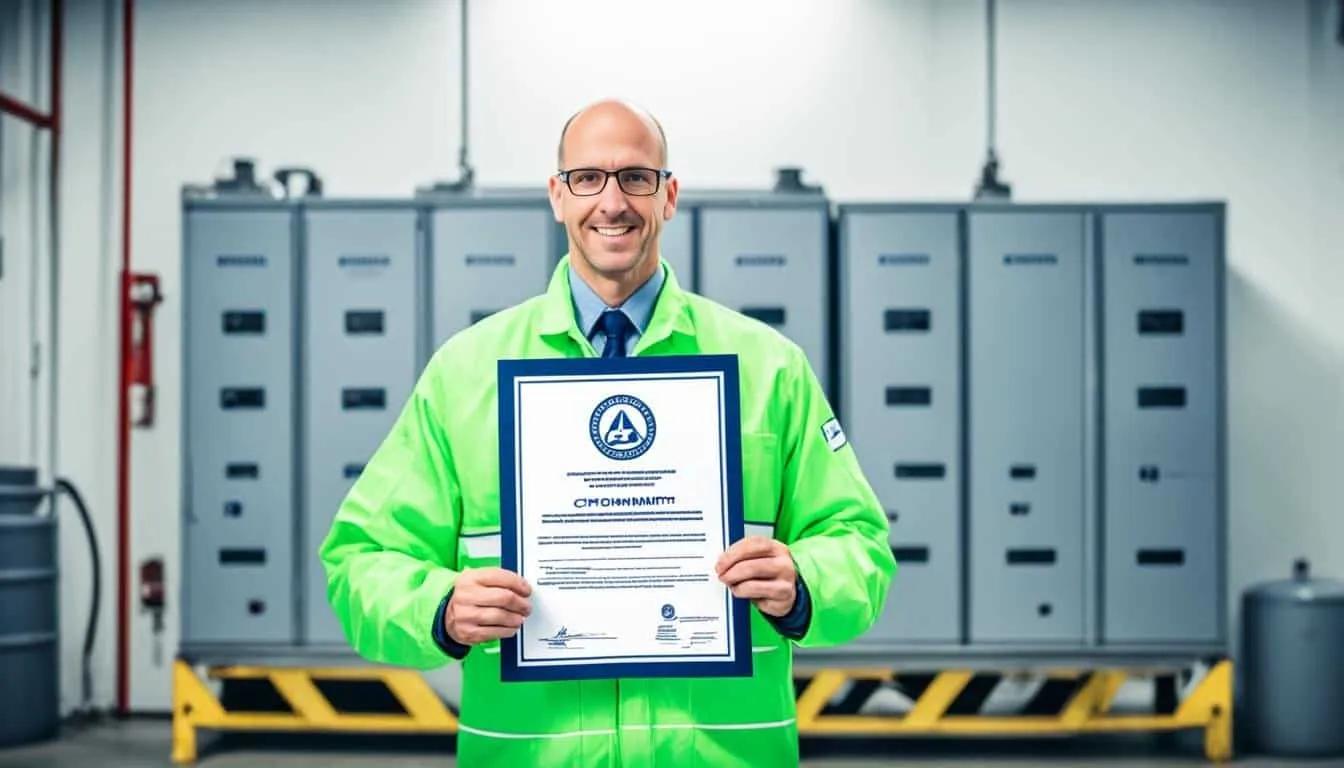
Moving dangerous goods requires more than selecting a carrier and preparing a package. Shippers, warehouse teams, freight professionals, and other people involved in transportation must understand rules covering classification, packaging, marking, labeling, documentation, handling, and communication. A well-designed Transportation Certification program should connect regulatory knowledge with actual duties performed during shipping.
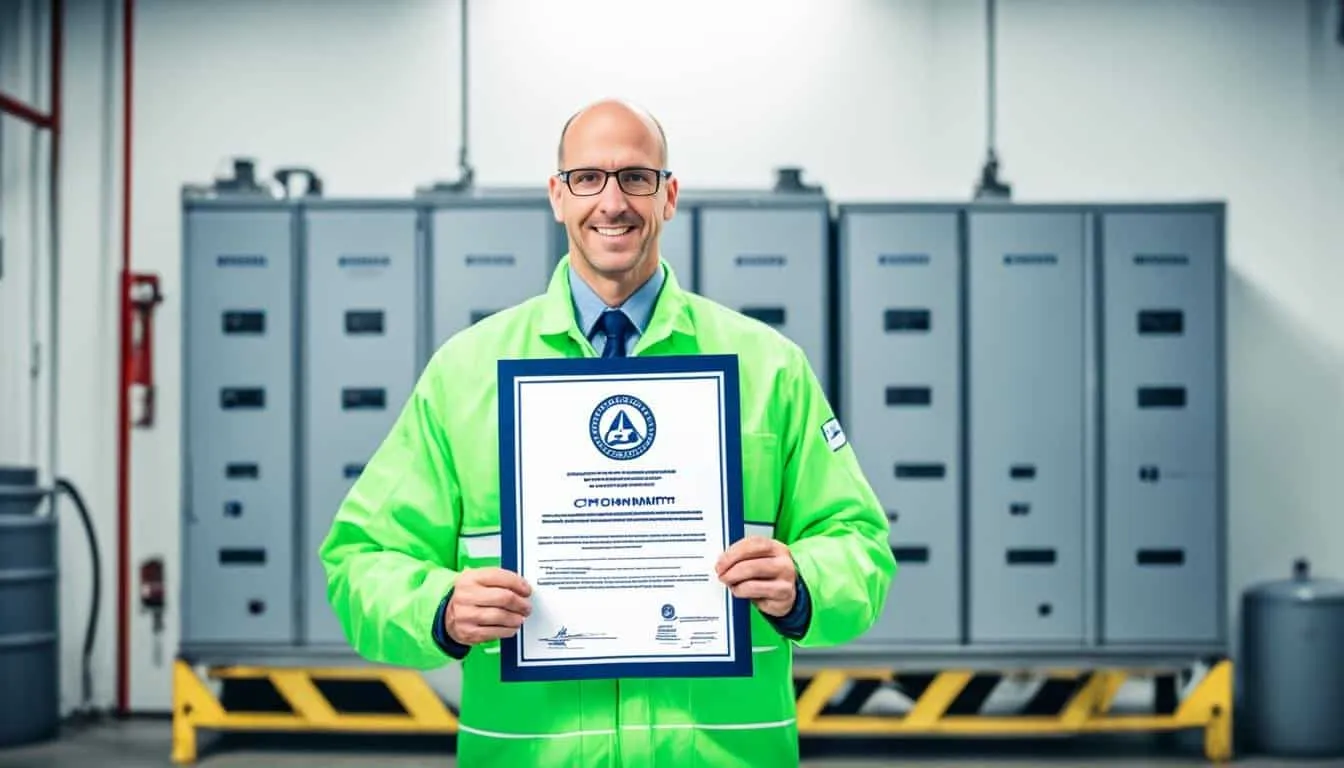
What Professional Training Should Cover
Dangerous goods training should address regulations that apply to the materials, transport mode, and job duties involved. In the United States, the Department of Transportation regulates hazardous materials transportation through the Hazardous Materials Regulations. Training may cover hazard classes, identification numbers, shipping descriptions, packing requirements, labels, placards, shipping papers, and emergency response information.
Regulations can change, so employees need to recognize applicable requirements rather than rely on outdated notes or assumptions. A Transportation Certification course should present information clearly while keeping the focus on practical compliance.
Choosing Training for Shipping Responsibilities
Before selecting a course, consider what employees actually do. A person who prepares shipping papers may need different instruction from someone who packages hazardous materials or handles freight at a warehouse. Job functions, materials, transportation modes, and applicable regulations should guide the training choice. A course covering Hazmat Certification for Shipping should address responsibilities associated with preparing and offering hazardous materials for transportation.
Learners should understand how classification affects packaging and documentation and how inaccurate information can create compliance problems. Training should also explain the importance of following written procedures and checking requirements before a shipment moves.
Online Learning and Regulatory Preparation
Online training provides a practical option for people who need flexible access to compliance education. DOT Hazmat Certification Online courses can allow learners to study from a workplace or another suitable location while following a structured curriculum. However, convenience should not replace regulatory accuracy. When reviewing an online course, look for clear information about the regulations covered, intended audience, testing process, completion records, and training scope.
Confirm that the course addresses the employee's actual hazmat functions. A general course may not cover every responsibility associated with a particular role. A focused DOT Hazmat Certification Online course should clearly identify its scope, required testing, completion process, and connection to applicable employee responsibilities today.
Understanding Certification and Training Records
People often use the word certification when discussing dangerous goods training, but the exact requirement depends on applicable rules and job function. Employers should determine which employees require training and which subjects apply to their assigned duties. Training records should also be maintained according to applicable requirements.
A credible Hazmat Certification for Shipping provider should explain what the training covers and how completion is documented. Clear records can help employers track employee training and identify when refresher instruction may be needed. Workers should also understand that completing a course does not remove the need to follow current regulations and workplace procedures.
Keeping Training Aligned With Changing Rules
Dangerous goods regulations do not remain static. Regulatory updates, revised procedures, and changes in transportation practices can affect how shipments must be prepared and handled. For that reason, training should not be viewed as a one-time activity with no follow-up. Hazmat Certification for Shipping should remain connected to current requirements andassigned functions. Organizations can review training programs when regulations change, job duties shift, or new materials enter the shipping process.
Finding a Suitable Course
A good training search begins with the regulations and responsibilities that apply to the intended learner. Review course descriptions carefully and compare the subjects covered with employee duties. Look for instruction that explains compliance requirements in plain language and provides a clear method for confirming knowledge. For workers seeking DOT Hazmat Certification Online, review how the course handles testing, records, regulatory updates, and learning materials.
Building a Stronger Compliance Mindset
Dangerous goods compliance depends on informed decisions at every stage of transportation. Training can give employees the transportation certification and knowledge needed to recognize regulated materials, understand applicable requirements, and follow established procedures. Strong programs keep regulatory information connected to the real tasks employees perform.
Whether training occurs in a classroom or online, the goal remains the same: help personnel understand their responsibilities before they prepare, handle, or transport dangerous goods. By choosing instruction that matches job functions and current regulations, organizations can create a more informed approach to hazardous materials transportation and maintain control over compliance responsibilities